

Asking “how safe is Management Net Panel (CWP)?” is vital when contemplating a webhosting panel.
It’s straightforward to easily say CWP is fairly safe for as much as small and medium-sized companies. However the perfect reply is that it is dependent upon whether or not you:
- Use the newest, finest safety practices
- Perceive your cyber assault floor, and
- Correctly audit safety logs for higher methods to harden your surroundings
It’s much more related while you notice that CWP, even when it was generally known as “CentOS Net Panel,” isn’t practically as in style as Plesk and different proprietary Linux management panels.
Under we’ll focus on vital objects to contemplate when relating to how safe CWP server internet hosting really will be.
Widespread Safety Considerations To Think about
CWP has a free and premium model – CWPpro.
We’ve recognized for years that “free” generally comes with strings hooked up. Bear in mind the decades-old saying:
“Should you’re not paying for the product, you’re the product.”
That may come within the type of software program accumulating your utilization information to discover ways to enhance their product or, within the worst case situation, it’s spy ware or different malicious software program you don’t need.
Nonetheless, generally “free” really means there isn’t a cost. This describes CWP. Skilled system directors have the talents to handle an online server with solely Safe Shell (SSH) – the terminal. However busy or junior sysadmins might choose an online interface for better ease of use, particularly if granting different customers entry to handle their very own information.
CWP is developed so important system duties will be accomplished securely by approved customers after reliable authentication measures. Due to this fact, you may disable shell entry and extra simply decide what every person can do within the dashboard.
Reviewing CWP’s Safety Vulnerability Reviews
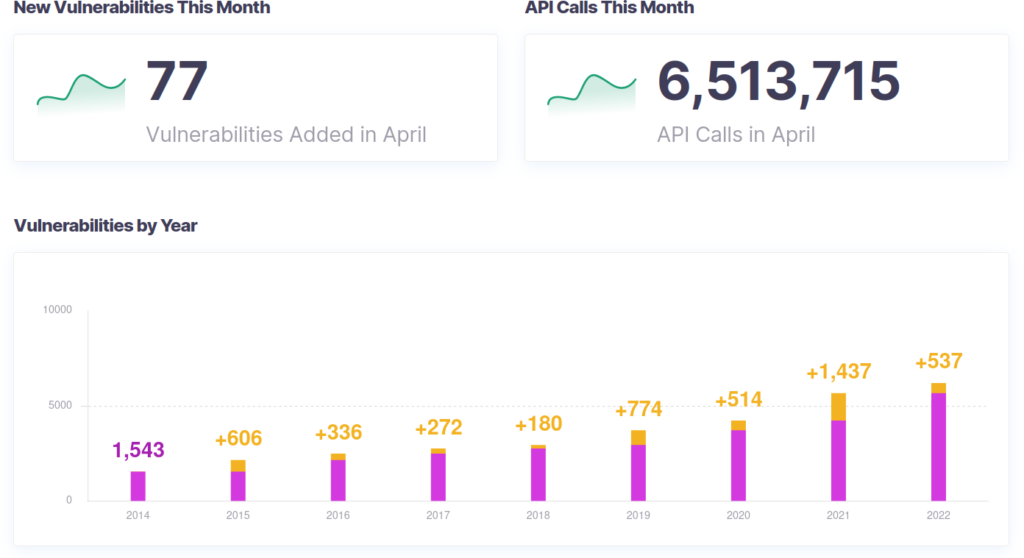
Recognition of sure software program tends to create extra consideration from cyber criminals because the potential for beneficial properties in stolen information enhance. Consider how typically you hear of Home windows viruses versus in FreeBSD. Nonetheless, CWP doesn’t appear to be focused typically judging by the Nationwide Vulnerability Database (NVD).
The newest CWP Widespread Vulnerabilities and Exposures (CVEs) had been reported on January 22, 2022 (three months earlier than the discharge of this weblog) by The Hacker Information. An unsecured API key vulnerability (CVE-2021-45466) and file inclusion vulnerability (CVE-2021-45467) may reportedly be used for distant code execution (RCE) assaults. Happily, that is only a proof-of-concept, which means that this was accomplished as an experiment. There aren’t any public studies of those exploits getting used within the wild. The preliminary report itself even states that it isn’t straightforward to execute and doesn’t expose a lot information.
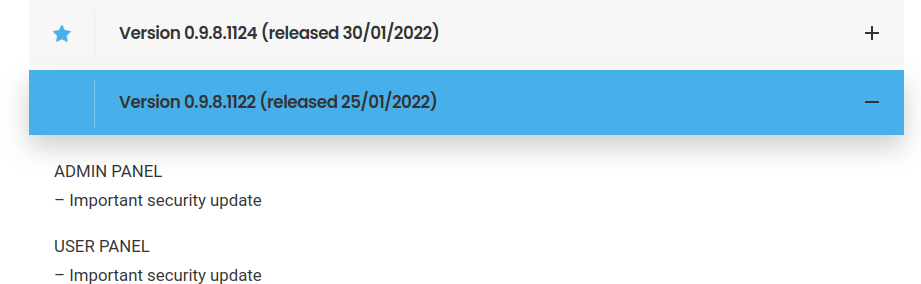
Nonetheless, CWP launched three safety updates inside two weeks of the report, in keeping with their changelog. That’s indication that CWP builders take note of safety bug studies and are severe about cybersecurity.
Shodan reportedly informed SecurityWeek that there’s been a gradual enhance in CWP installations all through latest years. So there might quickly be some extent the place cyber attackers straight goal CWP. However that appears years away as of now.
For some context, there are seven WordPress core CVEs from this 12 months in keeping with WPscan.com.
Is CWP Up-to-Date With Safety requirements?
The newest server safety protocols CWP ought to help with implementing are DNS safety extensions (DNSSEC), HTTP/3, and customary TXT information.
As of now, DNSSEC on CWP servers have to be configured manually with uncooked BIND DNS recordsdata. So it’s attainable to do, however CWP gained’t be of any assist for the duty as of now.
HTTP/3, as does HTTP/2, is dependent upon net server software program assist earlier than a management panel can create a button to allow it. Apache, the preferred net server, doesn’t assist HTTP/3 but. But it surely takes lower than 5 minutes to allow HTTP/2 with NGINX in CWP and there’s assist for LiteSpeed.
Nonetheless, one vital function set lacking from CWP is a wizard for creating the commonest TXT information:
- DomainKeys Recognized Mail (DKIM)
- Sender Coverage Framework (SPF)
- Area-based Message Authentication Reporting and Conformance (DMARC)
There aren’t any drop-down menus that can assist you select between allowed tags or notice any errors. It’s simply a big textbox. You need to use different means to make sure you’ve written DNS information appropriately and safe sufficient to fit your necessities.
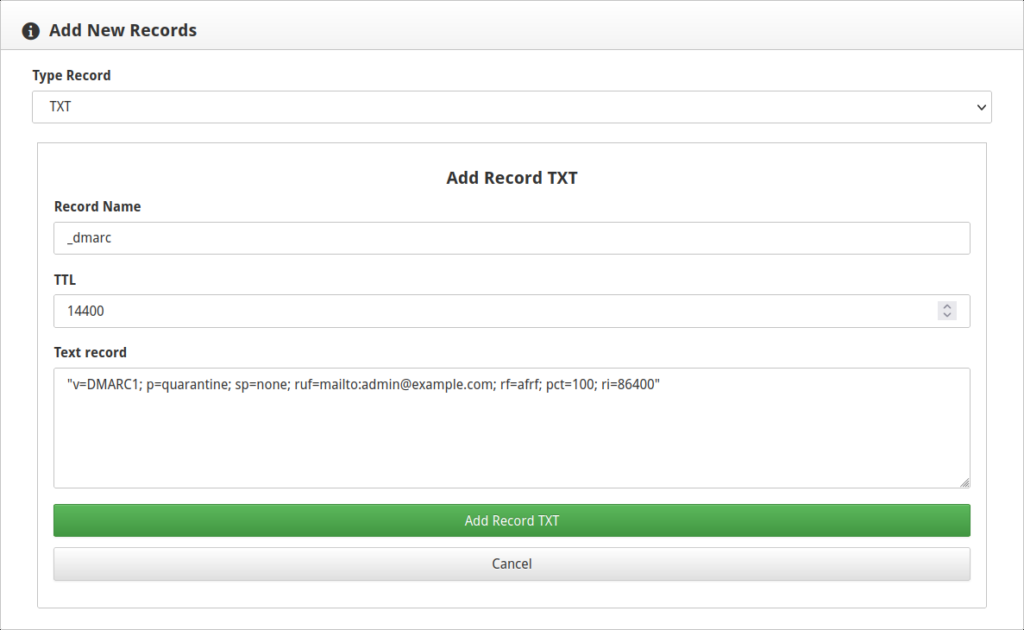
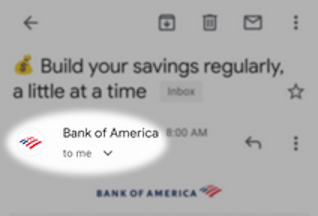
For instance, take Model Indicators for Message Identification (BIMI), which is mainly a TXT file linking to a particular model of your emblem. If you ship an e-mail, the receiving e-mail supplier checks your DKIM, SPF, and DMARC information. In the event that they match the header information of your e-mail, the BIMI DNS file will push your BIMI emblem to indicate beside your e-mail deal with in supporting e-mail internet hosting suppliers. This means the e-mail is authentic to assist mitigate enterprise e-mail compromise (BEC) assaults.
Cool, proper? Nicely, the problem is that when studying how you can create BIMI information in CWP you’ll must test that your DKIM, SPF, and DMARC information are additionally right. To not point out studying how you can create a correct Tiny SVG format of your emblem.
CWP Server Hardening Capabilities
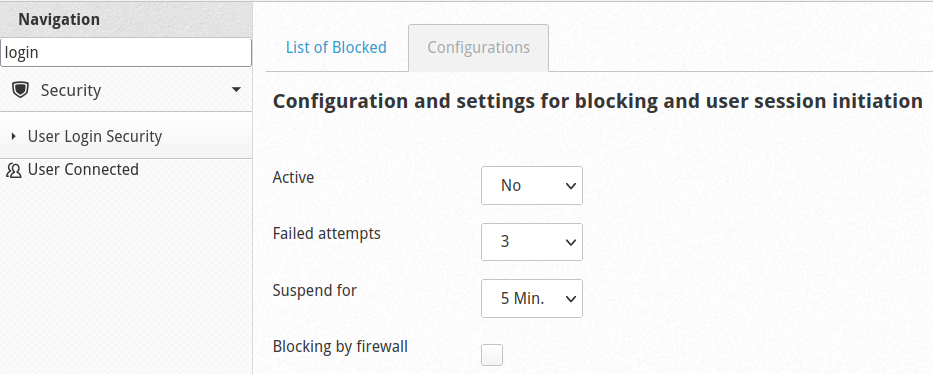
CWP meets the fundamentals for anticipated safety instruments that authenticate customers making an attempt to entry the applying. The Person Login Safety web page permits you to restrict the quantity of failed login makes an attempt. CWP additionally permits you to:
- Create SSL certificates with AutoSSL
- Defend towards brute power login assaults
- Create and schedule backups
- Restrict processes for a person
- Toggle Safe Shell (SSH) entry
CWP doesn’t have a two-factor authentication (TFA) function right now.
Principally every thing else safety associated have to be dealt with outdoors of native CWP options, from the CWP terminal emulator or SSH, or with third get together software program.
CWP Server Safety Plugins
CWP makes it straightforward to put in the required anti-malware plugins to swimsuit the common person’s wants for Linux malware safety:
- Maldet + ClamAV malware scanner
- Rkhunter rootkit scanner
- ConfigServer Safety & Firewall (CSF)
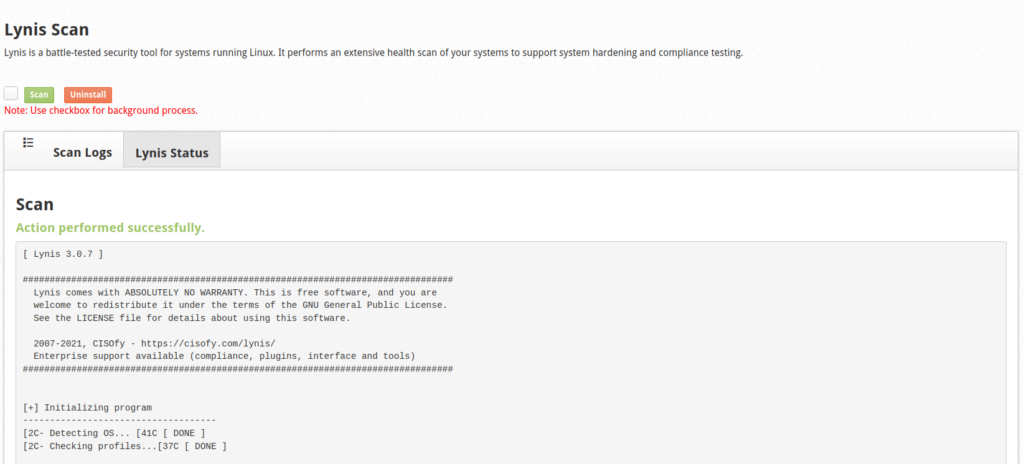
- Lynis system safety auditor
- Symlink scanner
- ModSecurity net utility firewall (WAF)
- PHP Defender with Snuffleupagus for PHP hardening
The virus scanners search your apps, working system (OS), and even the kernel for suspicious recordsdata and modifications. The firewalls shut unneeded community ports and mitigate denial of service (DoS) assaults that may result in prolonged downtime. Study extra about CWP safety scanners.
Some plugins talked about above are solely obtainable with CWPpro. Free CWP customers can set up and handle the bottom software program from the terminal.
Miscellaneous Safety Ideas
Since there’s no TFA in CWP, it’s vital to implement different brute-force countermeasures from throughout the OS.
In “/and so forth/safety/limits.conf” you may additional limit person capabilities together with how giant a file one can create.
The “/and so forth/login.defs” file is the place you may develop strict password insurance policies like forcing customers to reset their password after “X” quantity of days.
Configure “/and so forth/ssh/sshd_config” to vary your SSH port quantity and disable password authentication for better protection towards SSH-based assaults.
You would possibly wish to take into account putting in pam_cracklib or libpwquality Pluggable Authentication Modules (PAM) out of your OS repository to stop customers from utilizing insecure passwords whilst you’re at it.
So, How Safe is Management Net Panel?
Pretty safe, in the event you put within the work to discover ways to use the safety capabilities at your disposal. Even with out understanding how you can harden a Linux system, the bottom set up will nonetheless present some safety in your cloud server setup whereas exposing you to many security measures. Should you ever have questions on hardening your CWP server, contact our Dwell Assist at any time.