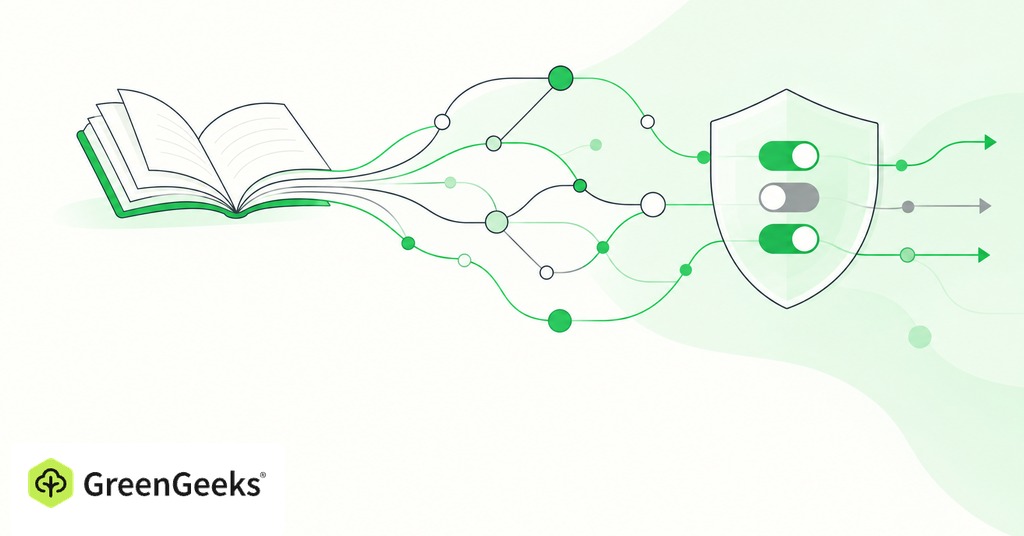


A web site proprietor who lets a search engine discover an article has made one determination. Whether or not that article ought to assist practice a industrial AI mannequin is one other. Whether or not an assistant ought to retrieve it to reply a reader’s query is one other nonetheless. The requests could attain the identical web page, however the proprietor can have completely different causes for accepting each.
The open net must make these distinctions simpler to precise and tougher to disregard. Placing work on-line for individuals to learn shouldn’t depend as consent for each enterprise that may discover a use for it. On the similar time, permission can not change into an infinite energy to forestall different individuals from studying, quoting, or doing analysis.
A website proprietor wants to have the ability to refuse a selected use and discover out whether or not the refusal was revered. The brand new controls arriving on the net need to be judged on how effectively they permit each.

A public web page has a number of doable makes use of
Contemplate the distinction between placing an article in a search index and utilizing it to coach a mannequin. The index helps a service retrieve details about the web page. Coaching modifications a mannequin by publicity to materials. Fetching the web page throughout a chat is a 3rd use, even when that reply seems in the identical window as solutions made with out a contemporary go to to a web page.
These variations matter to the individual paying to publish. An proprietor would possibly welcome discovery, allow some summaries, and decline coaching. One other would possibly make the other cut price. A publication with freely licensed materials might welcome reuse whereas objecting to a crawler that overwhelms its server. None of these positions requires treating AI as a single customer with a single goal.
Some AI firms already draw these strains. OpenAI paperwork separate roles:
- GPTBot is for potential coaching use.
- OAI-SearchBot is for search.
- ChatGPT-Person handles sure user-directed actions, and OpenAI says robots.txt guidelines could not apply to these visits.
Blocking one named bot subsequently leaves different entry questions unresolved, even inside the similar firm’s providers.
A website proprietor shouldn’t need to study every crawler’s title to know what they’ve agreed to. Even a easy settings web page ought to make the separate makes use of clear. One giant swap labeled AI can conceal as a lot because it clarifies.
The Authors Guild presents a helpful instance from contracts. Its AI mannequin clauses, up to date in April 2026, separate coaching rights from makes use of akin to retrieval-based summaries. The proposed phrases give authors a option to talk about every use earlier than agreeing to it. Present contracts could deal with these rights in a different way.
There’s one other individual to contemplate, too. A web site operator could possess the recordsdata with out holding each proper within the work. A writer’s settlement with a freelancer can matter as a lot because the writer’s settlement with an AI firm. Shifting the choice right into a dashboard doesn’t settle who’s entitled to make it.
When a choice turns into an actual alternative
On September 15, Cloudflare introduced its Disallow AI Coaching setting and an Accountable designation for operators of mixed-use crawlers. The thought is to let a website stay discoverable whereas refusing coaching. The designation covers instruments already in use and guarantees of extra to come back, together with methods to regulate and observe how content material is used.
Web site house owners might achieve extra management from these guarantees, however they nonetheless have to know which instruments they will use at this time and which of them they have to anticipate.
Google now lets websites decide out of generative Search options with out affecting regular Search rating or inclusion, and has separate controls for coaching. The declare that publishers in every single place nonetheless face one indivisible alternative between search and AI is already too crude.
But including separate settings is just a begin. The individual deciding on one wants to know its scope. Does it govern a future crawl, a use of fabric already collected, or the show of fabric in a solution? An proprietor can conform to a label that blurs these makes use of and nonetheless have little concept what the selection means.
The acquainted robots.txt file illustrates the issue. The Robots Exclusion Protocol says its guidelines usually are not entry authorization. The file tells cooperating crawlers what an proprietor needs them to do. It doesn’t verify who every customer is or cease a request from reaching the server.
For that request to have an impact, the crawler operator has to honor it. An operator providing an opt-out ought to clarify which programs it covers, when it takes impact, and what proof a writer can examine. A server log may also help present {that a} bot visited. It can not, by itself, show what occurred inside a coaching course of afterward.
The burden shouldn’t fall totally on the individual with the smallest technical workers. A proper that takes a specialist to train is much less helpful to the unbiased author sustaining a website after work than to an organization with a authorized division. The identical applies to discovering out whether or not the precise was revered. A cultured settings web page can not substitute a transparent report and a option to dispute it.
Can the proprietor change their thoughts later? Future entry will be reconsidered. Materials already used to coach a mannequin presents a distinct drawback, and a supplier ought to clarify the distinction. Promoting an entry swap as a rewind button could be one other failure of consent.
Permission nonetheless has limits
The strongest objection is that an internet organized round permission might change into a spot the place solely giant firms can afford to learn at scale. Lisa Macpherson of Public Data has warned that broad opt-in necessities and licensing prices can harm truthful use, limit entry, and reinforce the place of highly effective intermediaries.
She is correct to make that objection. A small analysis challenge can not negotiate with each web site it research. Nor ought to a writer achieve a veto over criticism just because criticism includes studying and quoting its work. Some makes use of are permitted with out the proprietor’s settlement. In america, truthful use includes elements together with goal, the character and quantity of the fabric, and market results. A choice file can not substitute that evaluation.
The reverse shortcut is not any higher. A web page’s availability doesn’t reply all these questions both. Having the ability to fetch a file tells us {that a} server returned it. It doesn’t inform us that the writer endorsed each later use, or that each use meets the authorized take a look at.
I’d somewhat see a narrower, workable consent system than a grand promise of management that can’t survive contact with abnormal studying. Begin with providers making clear commitments about their very own conduct. An proprietor’s expressed needs deserve respect inside the limits the legislation permits. Give researchers and the general public a spot within the dialogue earlier than the industrial agreements harden round them.
Cost belongs in that dialogue, but it surely can not do all of the work. An individual can conform to free reuse. They’ll decline a paid provide. They’ll settle for one use and refuse one other. Decreasing consent to a royalty fee would erase the very alternative the speed is meant to acknowledge.
The following enchancment ought to be sufficiently small to explain with out a gross sales presentation. A website proprietor refuses a named use. Readers can nonetheless discover the web page by search, the place that was promised. The operator data what the refusal covers, and there’s a option to verify what occurred. The web page can stay open, and the reply can nonetheless be no.
