

Key factors
- On-premise ERP programs are hosted inside an organization’s personal infrastructure, giving full management over customization and information safety. This selection is good for companies in extremely regulated industries or these dealing with delicate info however requires important upfront funding and ongoing upkeep.
- Cloud ERP programs are hosted on-line, providing accessibility from anyplace with an web connection. They’re usually cheaper to begin, with prices unfold over time as a subscription. Updates are automated, and the supplier manages safety and upkeep.
- Cloud ERP provides flexibility and scalability, simplifying IT necessities and permitting companies to give attention to core features. The emergence of hybrid fashions gives a tailor-made strategy that mixes the advantages of each cloud and on-premise programs.
Enterprise Useful resource Planning (ERP) programs have grown more and more central for managing each day enterprise operations, enabling effectivity, agility, and data-driven decision-making.
However when leveraging the advantages of ERP software program for what you are promoting, a essential determination looms for firms giant and small: selecting between cloud-based ERP programs and on-premise ERP options.
This information is designed to chop by way of the complexity, providing a transparent comparability of cloud-based versus on-premise ERP programs. You’ll be taught concerning the distinctive traits of every, delving into the professionals and cons that will help you make an knowledgeable determination tailor-made to what you are promoting wants.
Differentiating cloud and on-premise ERP
Regardless of what looks as if an easy distinction, the distinction between cloud and on-premise ERPs could be complicated, particularly with the growing surge in digital adoption and hybrid ERP fashions that mix components of each.
Right here’s a breakdown of what every of those ERP setups supply:
On-premise ERP
On-premise ERP is hosted completely inside an organization’s personal infrastructure. This implies the software program and all related information are housed on servers owned and maintained by the corporate itself. This association locations all of the management within the arms of the corporate, from the customization of the software program to the administration of information safety.
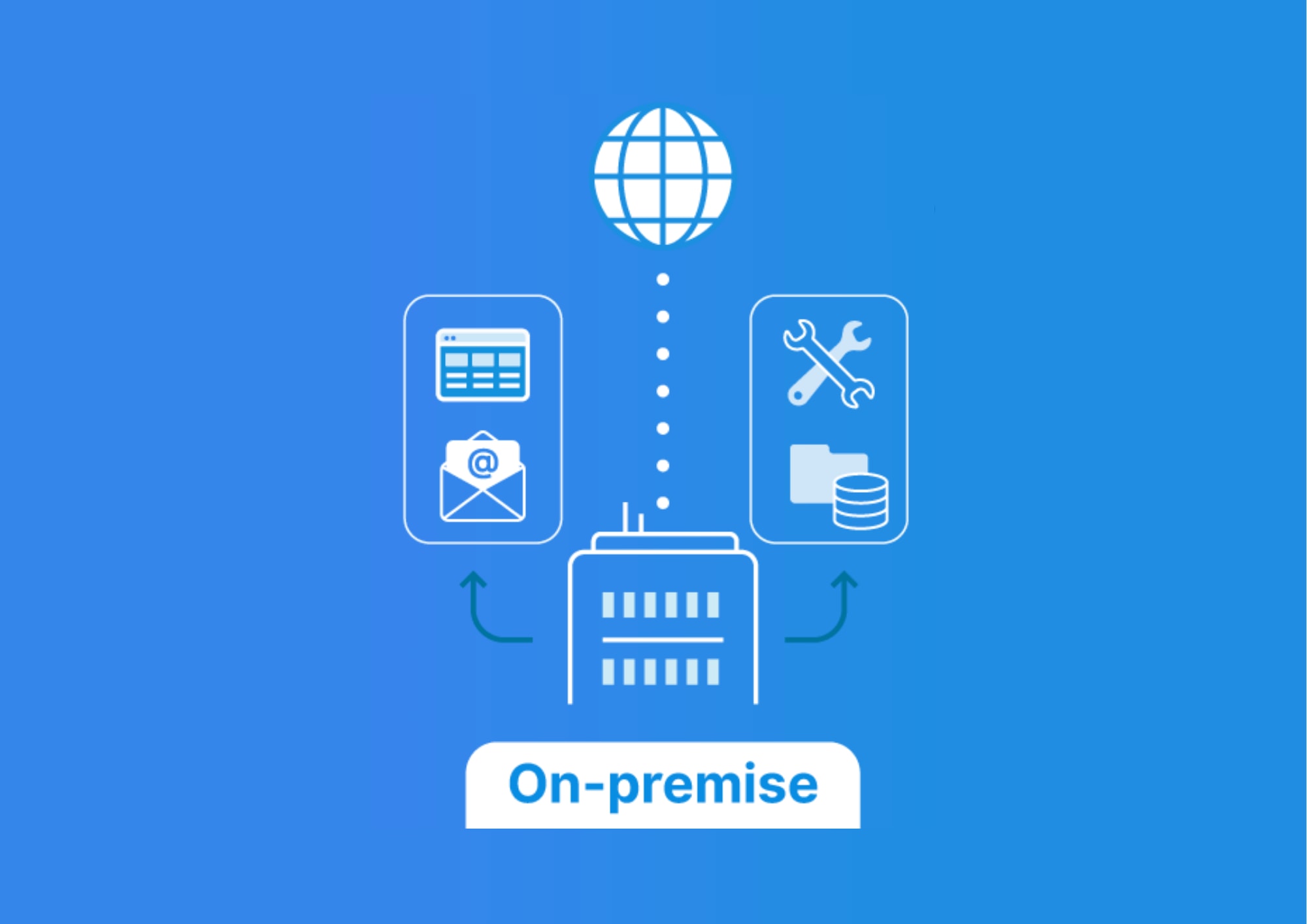
This degree of management is especially interesting to companies working inside extremely regulated industries or these dealing with delicate info. Overseeing each side of the ERP system can present an added layer of safety and compliance assurance.
Nonetheless, it is necessary to notice that this management comes with a value. On-premise ERPs:
- Sometimes require a considerable upfront funding in {hardware}, software program, and expert IT workers to handle the system. Relying on a enterprise’s scale and particular wants, the long-term prices may very well be extra favorable than recurring cloud-based subscriptions.
- Necessitate common guide updates and upgrades essential for sustaining safety and including new options. Implementing this requires a devoted inner IT crew, which could be each resource- and time-intensive.
- Pose limitations when it comes to distant entry. In contrast to cloud-based options, accessing the ERP system exterior the workplace could be troublesome. This creates challenges for companies with a distributed workforce or these adopting versatile working preparations.
Cloud ERP
Cloud ERP, a type of SaaS (Software program as a Service), lives on the web. As a substitute of getting all of your recordsdata in a secure in your constructing, they’re saved safely on-line.
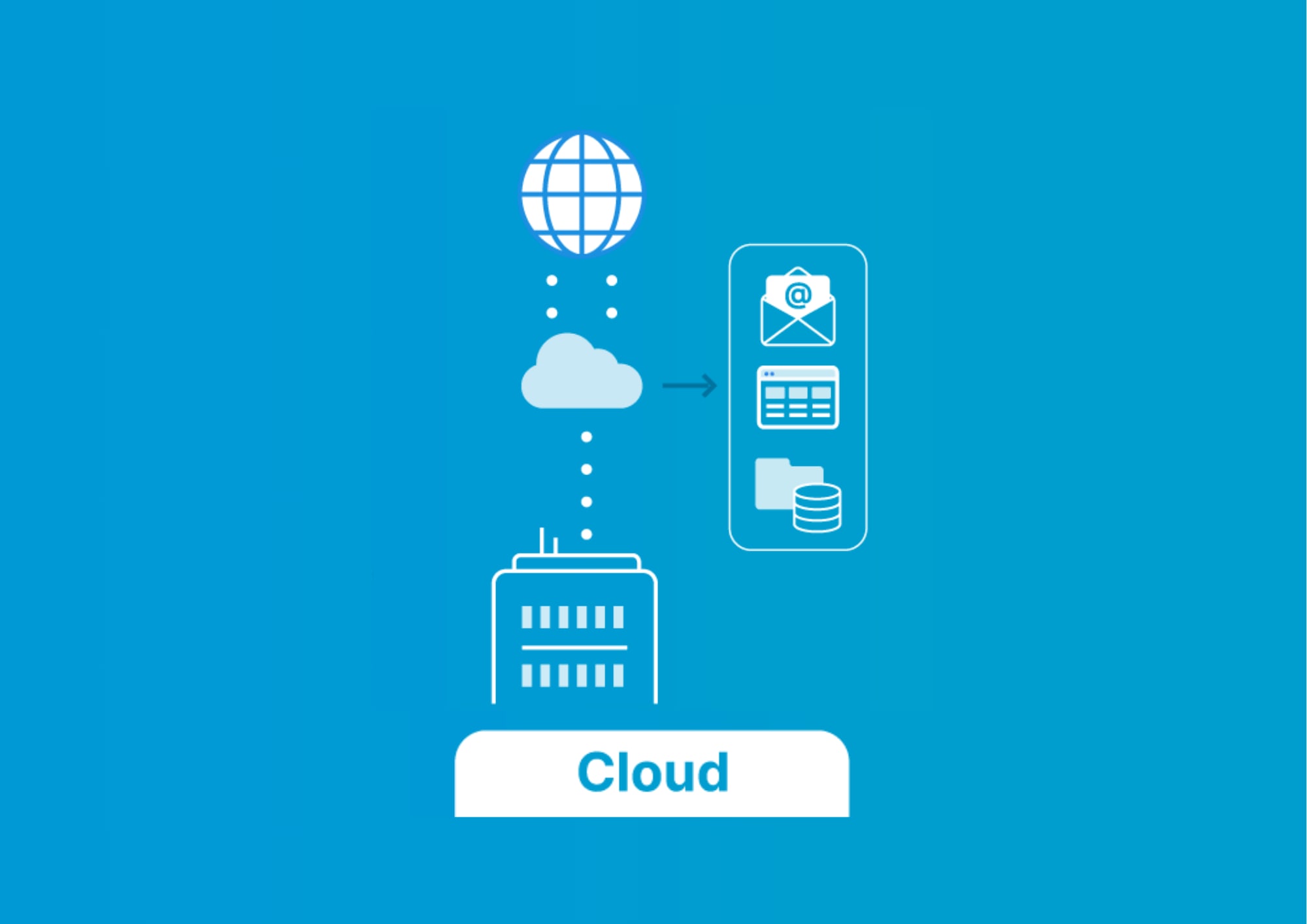
With cloud ERP, you solely want an web connection and an online browser to handle what you are promoting operations from anyplace on the planet. Right here’s why this makes issues lots simpler:
- Normally cheaper to begin with since you’re mainly renting house on another person’s servers.
- Updates and new options get added robotically, so that you at all times have the newest model with out doing it your self.
- Your crew can entry all the pieces from anyplace so long as they’ve an web connection.
- Cloud ERP suppliers use robust safety measures and maintain backups, so if something goes unsuitable, your information could be recovered rapidly.
Cloud ERP could be applied underneath numerous fashions, every providing a spread of advantages from decreased preliminary funding to automated updates and enhanced collaboration capabilities. These programs are notably interesting for small to medium-sized companies or firms seeking to reduce their IT overhead whereas nonetheless leveraging a strong, built-in administration system.
Key elements to think about when choosing an ERP mannequin
Whole value of possession (TCO)
| On-premise ERP | Cloud ERP |
|---|---|
| Upfront prices for purchasing {hardware} and software program. | Cheaper to begin since you simply have to entry it on-line, and it is paid for month-to-month. |
| Ongoing prices for house and maintenance. | Makes budgeting simpler since you understand your prices upfront and haven’t got to fret about sustaining {hardware} or software program. |
💰 It’s necessary to notice that each choices have hidden prices, like coaching or additional options, so it is necessary to have a look at the long-term prices, not simply the preliminary value.
Deployment time
The time to deploy an ERP system can considerably influence a enterprise’s capability to adapt and innovate:
| On-premise ERP | Cloud ERP |
|---|---|
| Can take longer as a result of it’s important to set up all the pieces your self. | Faster to get going because you simply join and log in. This velocity is usually a large plus for companies that want to maneuver quick. |
Efficiency, flexibility, and scalability
| On-premise ERP | Cloud ERP |
|---|---|
| Could supply sturdy efficiency tailor-made to particular enterprise wants. | Can simply alter to what you are promoting dimension and wishes, making it a good selection for rising firms. |
| Restricted flexibility and scalability with out important extra investments. | Normally quicker and extra dependable as a result of the supplier takes care of the technical features. |
Accessibility
| On-premise ERP | Cloud ERP |
|---|---|
| Affords superior accessibility, permitting customers to entry the system from anyplace with an web connection, facilitated by built-in safety measures. | Distant entry is feasible however might require extra layers of authentication and safety setup. |
Safety
| On-premise ERP | Cloud ERP |
|---|---|
| Affords the benefit of retaining information in-house, doubtlessly lowering publicity to cyber threats, although implementing and sustaining safety measures could be more difficult and dear. | Whereas there are issues relating to information privateness and compliance, respected cloud ERP suppliers make investments closely in safety certifications and infrastructure to mitigate these dangers. |
System upgrades and adjustments
| On-premise ERP | Cloud ERP |
|---|---|
| Upgrades could be disruptive, typically requiring downtime and guide information switch processes. | Advantages from seamless updates with minimal to no downtime, because the supplier manages the improve course of, making certain that the system is at all times working on the newest model. |
As you possibly can see, whereas cloud ERP appeals to companies on the lookout for ease of staying present with much less operational disruption, on-premise ERP caters to these needing deep customization at the price of extra advanced updates and potential downtime.
Summing up the benefits and drawbacks of cloud ERP vs on-premise ERP
Benefits and drawbacks of cloud ERP
| 👍 Benefits | 👎 Disadvantages |
|---|---|
| Cheaper and faster to begin. | You want a relentless web connection. |
| Simple to replace and develop with what you are promoting. | Attainable issues over retaining your information secure and personal. |
| Would not want large upfront funds. | Much less freedom to make it precisely the way you need. |
| You should use it from anyplace, which is nice for groups working remotely. | Over time, the continuing funds would possibly find yourself costing greater than an on-premise system. |
| You do not want an enormous IT crew as a result of the service supplier handles the upkeep and safety, which is often very dependable. |
Benefits and drawbacks of on-premise ERP
| 👍 Benefits | 👎 Disadvantages |
|---|---|
| Offers you full management over your information and programs, which is nice for companies that have to comply with strict guidelines. | Huge prices at the beginning for the gear and software program. |
| You may make it suit your actual wants, and over time, it may cost lower than paying month-to-month for cloud ERP. | You want your individual IT individuals to maintain it working. |
| You need not rely on the web to entry your programs, which is usually a large plus for retaining issues working easily. | Setting it up takes longer and your organization has to deal with all the maintenance and updates, which might add up in prices and energy. |
Selecting the best ERP for what you are promoting
The choice between cloud and on-premise is determined by what you are promoting’s particular wants, finances, and technological infrastructure.
For a lot of companies, the inherent flexibility and scalability of cloud ERP programs make them a compelling selection, simplifying IT necessities and enabling a give attention to core enterprise features slightly than infrastructure administration. The appearance of hybrid fashions provides a tailor-made strategy, combining one of the best of each worlds of cloud and on-premise internet hosting to accommodate completely different workloads, regulatory necessities, or information sensitivity.
That will help you with all of your ERP wants, Liquid Net stands prepared to help, providing deep experience in IT options and a dedication to empowering companies by way of know-how. As you progress ahead, contemplate how the appropriate ERP mannequin can facilitate not simply efficient enterprise administration but in addition drive innovation, effectivity, and development.